


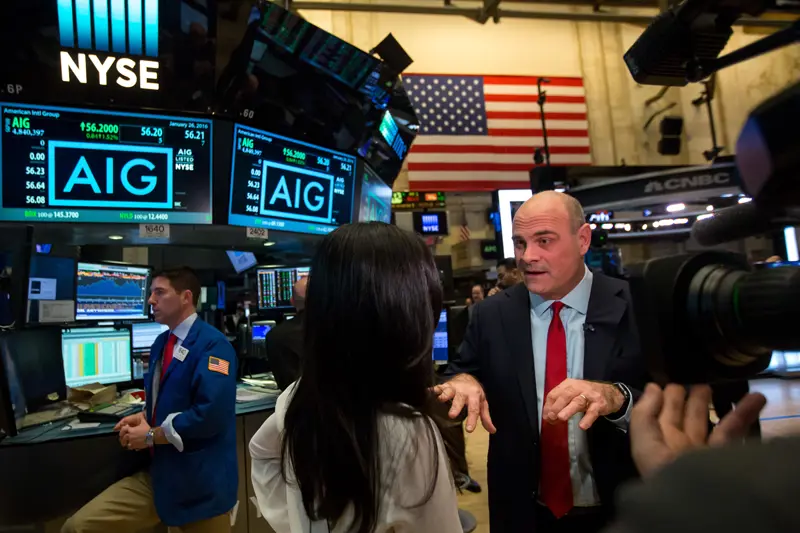

By the end of the day, the S&P 500 index was down 4.1 percent while the Dow Jones ended 4.6 percent lower. As a result, the Vix volatility index, Wall Street's fear gauge, hit its highest level in several years on Monday, exceeding the levels reached when fear of a Chinese hard landing pushed markets down in August 2015.
The contagion spread to the Asian and European stock markets, with the latter suffering their worst day since the aftermath of the Brexit vote in 2016.
Keeping a cool head
Nonetheless, the turbulence can provide opportunities for an active, value based stock picker that dares to swim against the tide.
"It is more important than ever that we keep a cool head and focus on long-term value-based stock picking," comments Investment Director Alexandra Morris.
"The market doesn't like uncertainty and will likely react with volatility. SKAGEN is a long-term investor and we look beyond these types of event."
SKAGEN's portfolio managers are now looking to see whether the volatility can create opportunities to select solid companies at a low price.
"As long as the macroeconomic global economic situation remains positive, we see this as a short-term correction and not the start of a longer time sell-off due to the start of a recession," explains Morris.