


For the month as a whole, the US S&P 500 rose 10.5 percent measured in USD, the European Stoxx 600 ended up 5.6 percent measured in EUR, and the Nordic VINX rose 3.6 percent measured in NOK. At home, Oslo Stock Exchange fell 2.4 percent (OSEBX).
The Strait of Hormuz Still Under Pressure
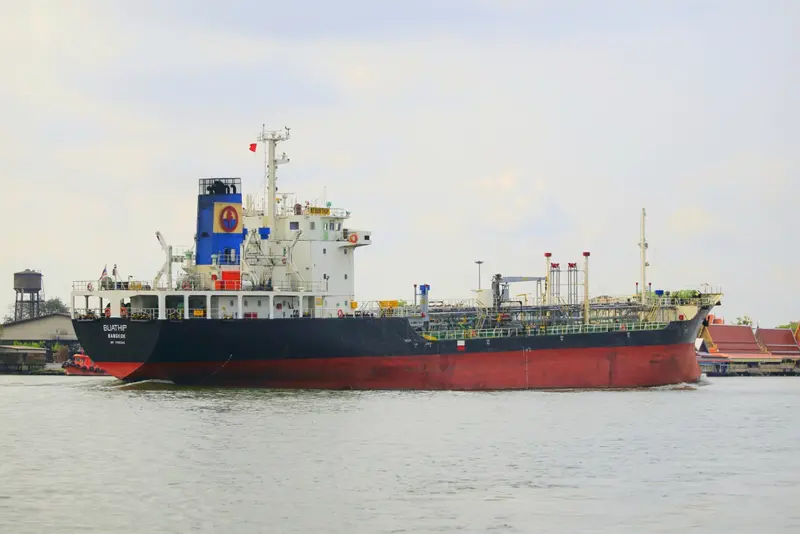
Two months after the attack on Iran, the Strait of Hormuz remains effectively closed to normal shipping traffic. A ceasefire was established early in April, but the subsequent negotiations have so far not yielded results. The US has simultaneously established a blockade outside the strait, intended both to put pressure on the Iranian economy and to stop ships attempting to pass on Iran’s terms. The oil price moved between 90 and 120 dollars per barrel during the month, ending in the upper part of the range. Reports are emerging of rationing and falling stocks of, among other things, aviation fuel and gas in parts of the world. If the strait remains closed through May, stocks could run low and the oil price could receive a fresh boost. Growth forecasts have already been revised downwards and inflation expectations upwards, and the risk of recession is likely to rise further if the conflict drags on.
Diplomacy Takes Centre Stage
Although Iran and the US remain far apart, genuine talks between the parties are ongoing. The upcoming summit between Xi and Trump in China on 14–15 May could prove decisive, both for the conflict and for the opening of the Strait of Hormuz. China is assumed to have played a central role in pressing Iran towards the ceasefire and in loosening its grip on shipping traffic. As a net importer of oil, the country has no interest in the global economy being severely impacted, even though strategic oil and coal reserves can cover its needs for three to six months. Trade and tariffs are also likely to feature prominently on the agenda at the summit. Following China’s use of rare earth elements as a bargaining tool, in practice only a “ceasefire” also remains in the trade war between the major powers.
Stock Market Records and AI Back in the Driver’s Seat
The global equity market reached new all-time high levels in April following one of the largest monthly gains in recent times. Alongside the ceasefire and negotiation optimism, the US earnings season has got off to a strong start. The energy sector has led the way so far this year, but technology bounced back strongly in April – despite interest rates remaining elevated as a result of energy prices. Earnings have been better than expected, and the extensive investments in artificial intelligence are now showing signs of bearing fruit. The question going forward is whether a prolonged energy crisis could dampen companies’ willingness to invest. A clearer answer to this is unlikely to come before next quarter.
The Road Ahead
The Strait of Hormuz remains closed and the risk of recession has increased, but equity markets have normalised, and the upcoming summit between Xi and Trump in China could prove decisive both for the conflict and for trade issues – China, as a net importer of oil, has a clear self-interest in a resolution. The US earnings season is delivering better than expected, AI investments are beginning to pay off, and credit spreads have tightened noticeably again in line with renewed risk appetite. With companies delivering and clear diplomatic movements, equities remain an attractive option for long-horizon investors seeking to allocate capital.